
What is Sandblasting and Why is it Important Before Painting?
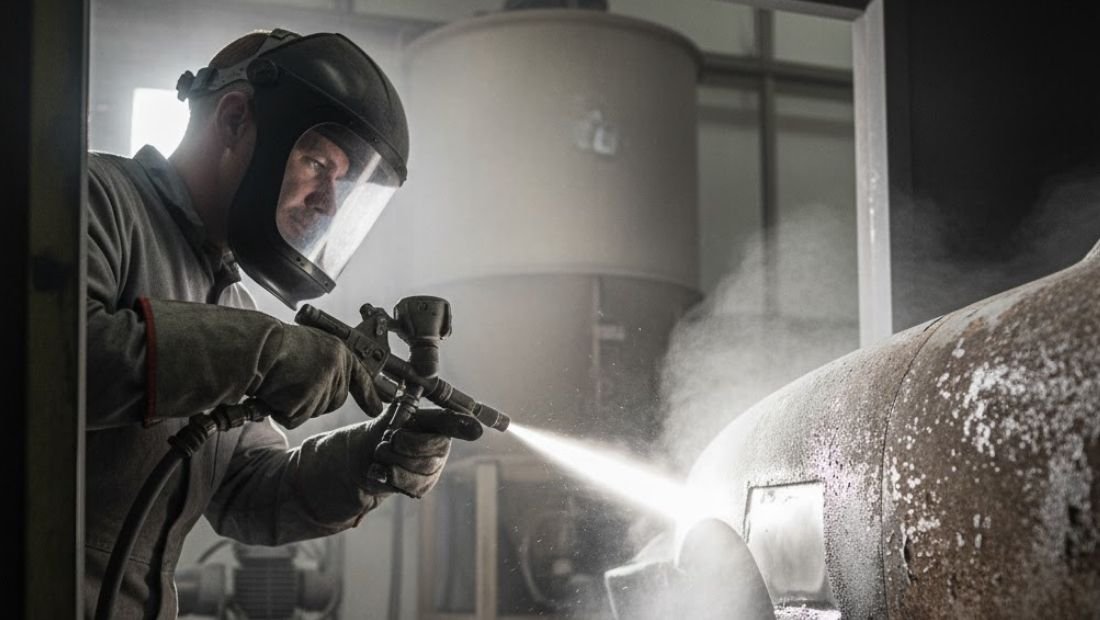
In the world of industrial maintenance and surface preparation, sandblasting plays a crucial role in ensuring durability, quality, and long-lasting results. Whether it’s a factory structure, pipeline, machinery, or metal surface, proper preparation is the foundation of any successful painting or coating project. Sandblasting, also known as abrasive blasting, is one of the most effective methods used before applying industrial paint.
In this blog, we will explore what sandblasting is, how it works, and why it is extremely important before painting any industrial or commercial surface.
What is Sandblasting?
Sandblasting is a surface preparation technique that involves forcibly propelling abrasive materials (such as sand, steel grit, glass beads, or aluminum oxide) onto a surface using high-pressure air or water. The main objective of sandblasting is to clean, smooth, or roughen surfaces by removing contaminants such as rust, old paint, dirt, grease, and corrosion.
This process creates a clean and uniform surface, which is essential for the proper adhesion of paint or coatings. Without sandblasting, surfaces may have hidden impurities that can cause paint to peel, crack, or fail prematurely.
How Does Sandblasting Work?
The sandblasting process involves specialized equipment, including a blasting machine, air compressor, abrasive material, and nozzle. The abrasive particles are directed at high speed toward the surface, effectively removing unwanted layers.
There are different types of sandblasting techniques, including:
- Dry Sandblasting
- Wet Sandblasting
- Vacuum Blasting
- Shot Blasting
Each method is used depending on the type of surface and project requirements.
Why is Sandblasting Important Before Painting?
1. Removes Rust and Corrosion
One of the primary reasons for sandblasting is to eliminate rust and corrosion from metal surfaces. If painting is done over rust, it will continue to spread beneath the paint layer, causing damage over time.
2. Ensures Better Paint Adhesion
Paint requires a clean and slightly rough surface to adhere properly. Sandblasting creates the ideal texture for coatings to bond effectively, resulting in a stronger and longer-lasting finish.
3. Increases Coating Durability
When paint is applied on a properly prepared surface, it lasts much longer. Sandblasting helps improve the lifespan of coatings by preventing peeling, flaking, and cracking.
4. Removes Old Paint and Contaminants
Old paint layers, grease, oil, and dust can interfere with new coatings. Sandblasting thoroughly cleans the surface, ensuring a fresh start for painting.
5. Improves Surface Uniformity
Uneven surfaces can lead to poor finishing. Sandblasting smoothens and evens out surfaces, making them ready for high-quality paint application.
6. Saves Time and Cost in the Long Run
Although sandblasting requires an initial investment, it significantly reduces maintenance costs by preventing frequent repainting and repairs.
Industries That Use Sandblasting
Sandblasting is widely used across multiple industries, including:
- Manufacturing Units
- Oil & Gas Industry
- Construction and Infrastructure
- Automotive Industry
- Shipbuilding and Marine Sector
These industries rely on sandblasting to maintain safety, efficiency, and durability of their assets.
Safety Measures in Sandblasting
While sandblasting is highly effective, it must be performed with proper safety precautions. Workers should wear protective gear such as helmets, gloves, goggles, and respirators. Proper ventilation and dust control systems are also essential to ensure a safe working environment.
Conclusion
Sandblasting is a critical step in surface preparation that should never be overlooked before painting. It not only ensures better adhesion and durability but also enhances the overall quality of the finished surface. For any industrial or commercial painting project, investing in proper sandblasting services can make a significant difference in performance and longevity.
If you are planning an industrial painting project, make sure to include professional sandblasting services as a part of your process to achieve the best results.